An inside look at Pitt’s new digital dentistry labs
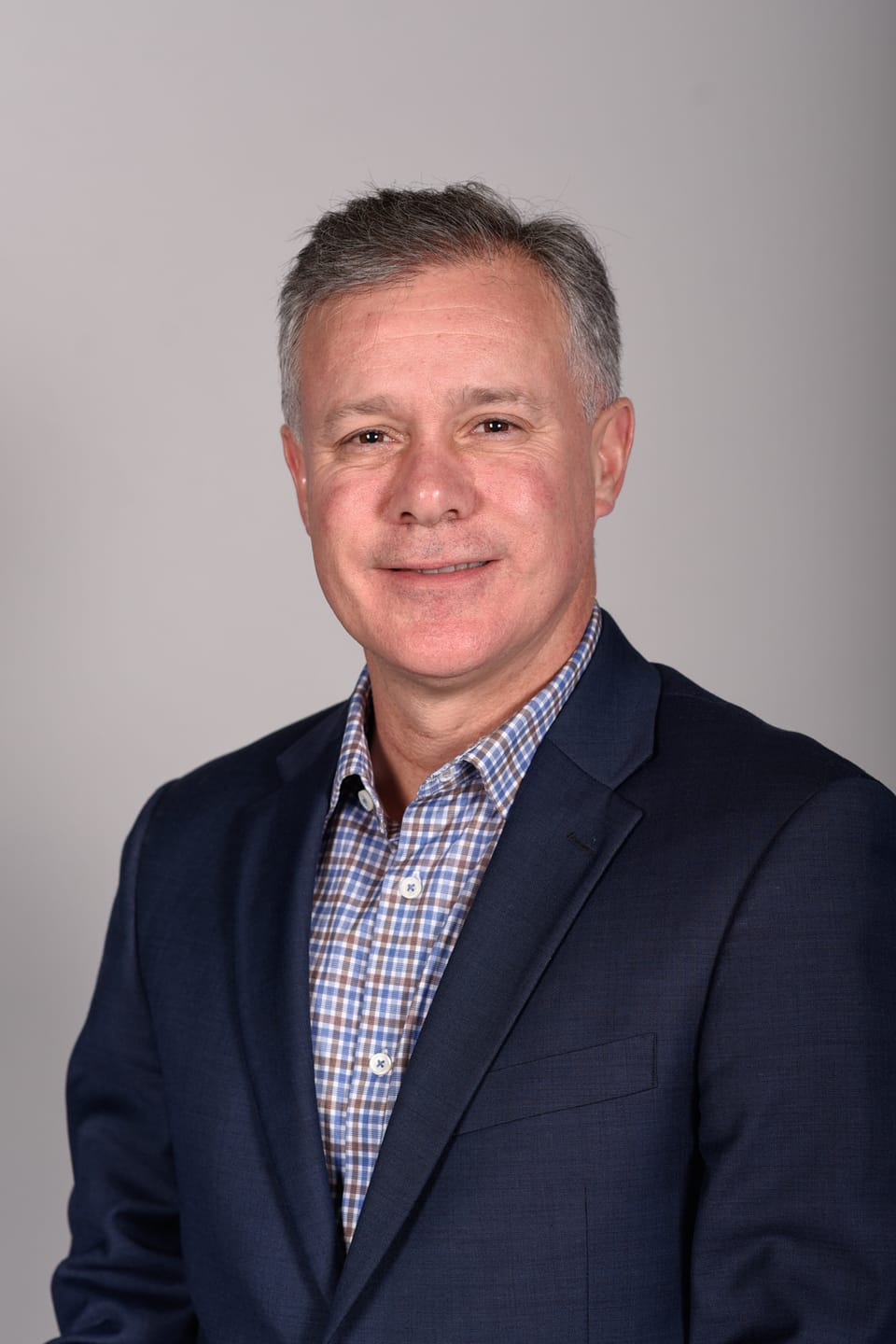

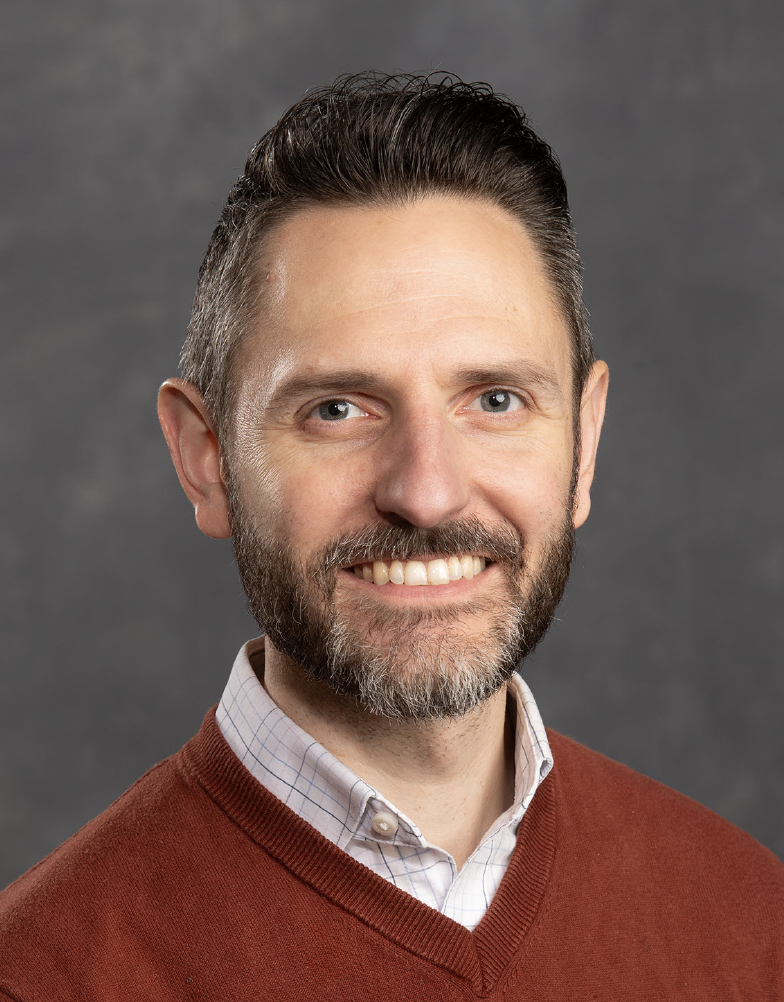
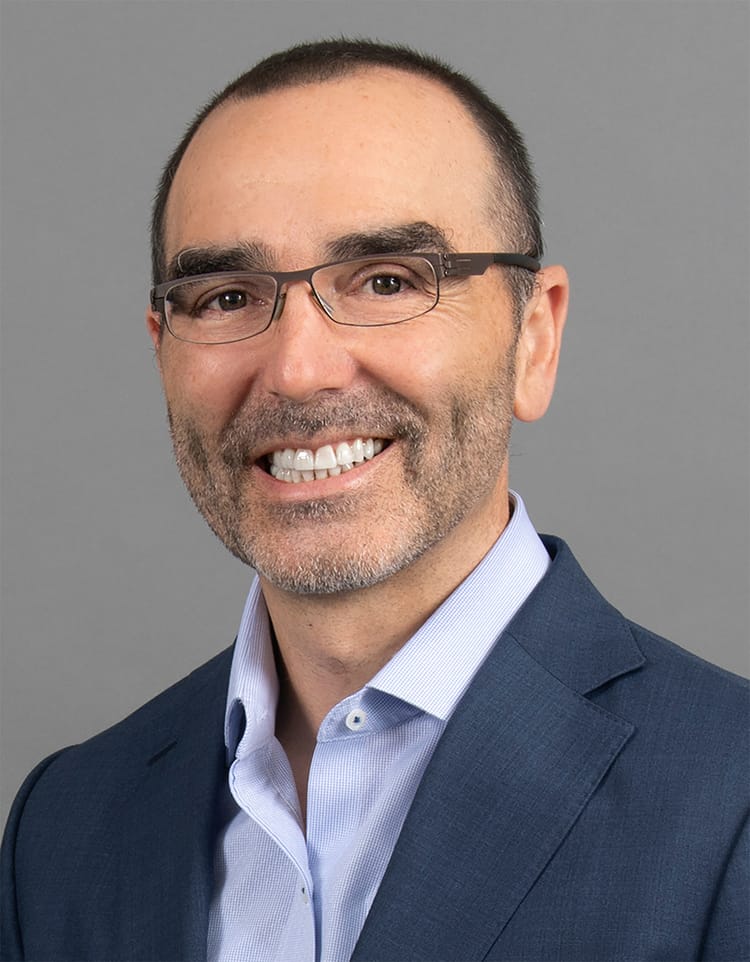
Earlier this year, the University of Pittsburgh School of Dental Medicine unveiled three new digital dentistry labs. Robert Nerone, DMD, vice chair and assistant professor in the Department of Restorative Dentistry and Comprehensive Care and director of Chairside Digital Dentistry at Pitt, gave Dental Bite an overview of each of the labs and why dental schools need to embrace digital dentistry.
—Interview by Carrie Pallardy, edited by Bianca Prieto
Can you share a brief overview of the three labs: the Preclinic Lab, the General Dentistry Practice Lab and the Resident/Specialty Practice Lab?
Our concept took about two years to make. In our school, we have all the specialty practices and residencies. We have pre-docs, and we also have advanced standing students. What we ended up doing was creating point-of-service labs. One is the pre-clinic, where the students are pre-docs, meaning they haven't entered the clinic yet. They haven't drilled any teeth. This is where they're going to learn how to do things before they enter the clinic. That's probably the biggest part of the project, all the CEREC software and in-lab software in those labs, and also have manufacturing inside those labs and treat it as a CE center. That's the first lab, and it’s separated from the entire school where our pre-clinical training happens.
We have another lab on the third floor. That lab is designed as a pre-doctoral clinical setup and a digital lab where the students will see patients and scan them. That scan will then be saved. They then enter that particular digital lab, and that's where they can go and design on workstations where they save their scans. Once they save those scans, they're able to then manufacture those inside that lab with either milling in CEREC mills or with 3D printing.
On the second floor, the lab was designed as a resident lab. There is much different software, more extensive software. Residents can go in there and design cases, stents, surgical guides and things like that.
What excites you most about these new labs?
Digital dentistry is no longer the future; it's the present. These labs were designed to teach these students to deliver more modern, more precise, more efficient crowns and give care to the patient in the same way. Not only does it lift that education to where the students can create very precise restorations and dentures and RPDs [removable partial dentures] and decrease time for the patient, but it also lets us deliver some of the best care that we can. These particular prostheses, these crowns, these dentures, they fit so much better than the traditional impressions.
Do you expect more dental schools to integrate digital dentistry into their curricula?
We still are teaching digital and analog. Digital will not make the student or the practitioner the best dentist. We still have to teach the traditional way of doing things. It's a tool, meaning they still have to be able to decide what's best for the patient.
Schools, including ours, made a huge investment in this. Every school will do this in the next 10 years. They just have to because this is where dentistry is going. We went from 20% of the practices 10 years ago, maybe five years ago, having scanners and software, to 40% to 50% currently, and that will just keep growing.
As the students go out, they still have to make those same decisions and treat people ethically. This just gives them another tool.
This conversation has been edited for brevity and clarity.
Thanks for reading today's edition! You can reach the newsletter team at newsletter@dentalbite.co. We enjoy hearing from you.
Interested in advertising? Email us at newslettersales@mvfglobal.com
Dental Bite is curated and written by Carrie Pallardy and edited by Bianca Prieto