How remote monitoring changed my orthodontic practice
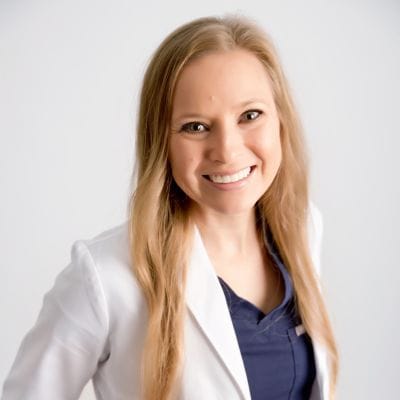
Remote monitoring is among the new technologies reshaping how dentists provide care. Ryann Christensen, DDS, an orthodontist practicing at Christensen Family Orthodontics in California, has been using remote monitoring in her practice for more than three years. Here, she shares what it's been like integrating the technology and how it has benefited the practice and its patients.
—Interview by Carrie Pallardy, edited by Bianca Prieto
How can remote monitoring improve patient care?
I started bringing it on about three and a half years ago. It has completely changed how patients receive care in my office.
With dental monitoring, patients will scan at home on a weekly basis, and the AI technology behind dental monitoring will pick up various red flags. For example, it'll pick up things like poor oral hygiene or gum inflammation. I believe there are a little over 200 issues that it can pick up, and then it'll alert my office to go ahead and look at the scan to determine if that is something that needs to be addressed with an in-office appointment or just by communicating with the patient.
For example, if it's about hygiene, we can send an annotated photo to show them where to brush a little bit better. With it picking up these things on a weekly basis, it lets their orthodontic treatment not get postponed for any reason.
It also allows us to have this unfiltered, direct communication with patients. Within the app, patients are able to text us any questions. We're able to use the scans that they are doing on a weekly basis.
It also eliminates unnecessary in-office appointments. So, there are certain appliances with orthodontics that it just takes my eyes to look to see if they need to continue with that specific appliance. With dental monitoring, we're able to do all of those visits virtually.
We definitely see an increase in compliance with aligners, with patients wearing their rubber bands and with hygiene because they're getting that constant feedback from the AI technology, as well as from me or any of the team members who are looking at their scan.
How did you incorporate remote monitoring into your practice? What did that process look like?
When I brought it on, I decided to go all in for every patient. In the beginning, what we would have to do is at their normal appointment, we would add on about five minutes to have them download the app, to teach them how to scan and to explain the purpose of it and the benefit of it.
For those first about six weeks when we were delivering the dental monitoring to all of the patients, it was quite a lot because it added a few more minutes to each of their appointments. We started to feel the benefits of it after those six weeks. We started to see a decrease in in-office appointments after those six weeks.
Can you share insight into the financial investment?
It is a very large investment to bring dental monitoring into your practice. Every patient, you're giving them what's called a scan box. That's what they attach to their phone. You pay for the dental monitoring, the scan box and then you also pay a monthly fee for any active scans that the patient is doing.
Some offices increase their fees if they're planning on bringing on dental monitoring. Technology is expensive, but there's also a huge benefit to it. I didn't increase my prices at all. Even if patients decide not to do dental monitoring, we don't give them a discount for that. It's actually more work on my end if they don't do dental monitoring.
Those appointments that are no longer necessary in the office–checking and not doing any type of adjustments in the mouth–are now eliminated from my schedule. That did open up chair time for me. Now, I'm able to see other patients and get them in as needed.
I see it as a wash as far as the financials, but I see it as a huge benefit for patient success.
What advice do you have for orthodontists and dentists who are considering adding remote monitoring to their practices?
The reality is, as I've heard from many orthodontists, that you likely won't see the biggest benefit unless you go all in. There are some offices that start with 10 patients or 20 patients. But the reality of technology is you don't see that true benefit unless it's affecting your entire schedule.
Thanks for reading today's edition! You can reach the newsletter team at newsletter@dentalbite.co. We enjoy hearing from you.
Interested in advertising? Email us at newslettersales@mvfglobal.com
Dental Bite is curated and written by Carrie Pallardy and edited by Lesley McKenzie.