
The insurance bottleneck holding dentists back
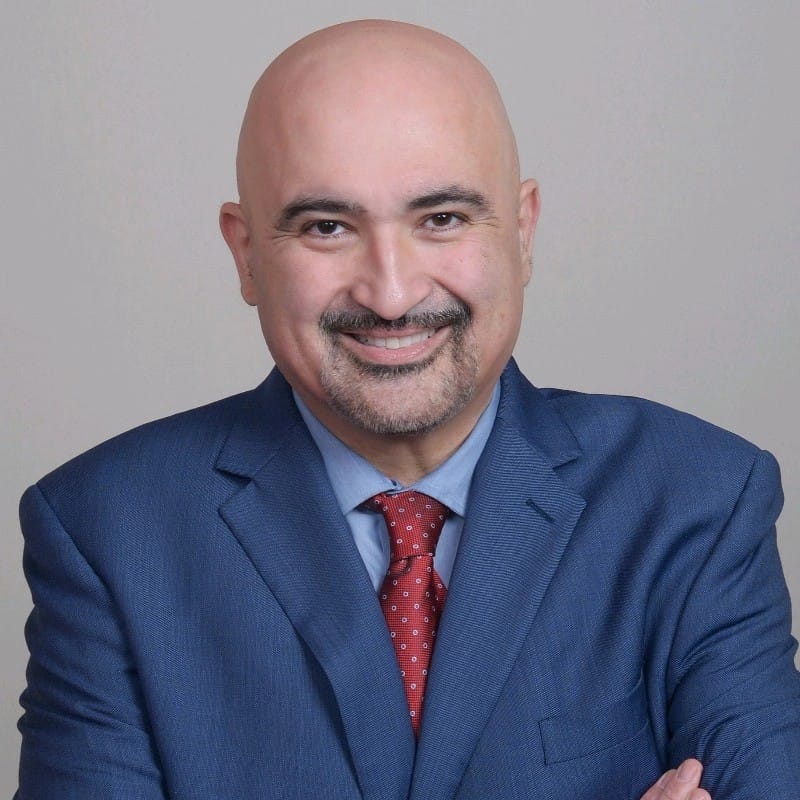

Working with insurers is a common challenge for dental practice owners. Bob Dokhanchi, DDS, founder and CEO of Dentistry in General and COO of the dental division at Edge, talks about dentist credentialing and fee schedules and how dentists can manage those pain points.
—Interview by Carrie Pallardy, edited by Bianca Prieto
What are some of the biggest insurance challenges you see dentists struggle with?
One of the biggest pain points, in my opinion, is credentialing. Credentialing a new doctor in a dental office at times takes about eight months. This hurts the practice, but it also hurts young dentists who want to move to a better job.
The second thing would be the fee schedules, obviously. It doesn't keep up with the rate of inflation. Unfortunately, that's something that the insurance companies have to raise. As a profession, we cannot negotiate with them because it can be considered collusion as a whole. We can negotiate individually, which usually doesn't go anywhere.
How can dentists develop a strategy for managing these challenges?
My coalition wrote a resolution for the credentialing that is being studied by the ADA. This has been implemented in medicine. It's called provisional credentialing. As long as you have certain things, you can quickly become credentialed, and then they can go through and do all the other things that they need to do. That's one strategy.
As far as the fee schedules go, there is also a law on the books, specifically in Massachusetts, called the dental loss ratio. Medical loss ratio legislates basically how much an insurance company should spend on patient care out of the premiums, as a percentage. Those are the strategies that I believe will be most effective if we can follow and basically solve our pain points as a dentist.
Almost every state has something that they are working on. There was a model agreed upon by the ADA and the National Council of Insurance Legislators (NCOIL) and the National Association of Dental Plans (NADP) that was not a very favorable agreement for patients and dentists. Thankfully, the ADA reversed course and now has a policy that is very much like what Massachusetts has. What we should be doing is lobbying state legislators for the new policy.
What advice do you have for dentists thinking about negotiations and insurance at the start of a new year?
It's always difficult as a doctor to speak about profitability. I don't look at it as that. You do what's best for the patient. That should be every dentist’s mindset. I believe the majority of dentists think that way.
The strategy any dentist should have, in my opinion, is to look at the plan you're signing. Take a look at the contract you're signing. If you're not happy, do not sign and do not accept that insurance. If you cannot accept discounted rates from the insurance companies, don't take it. I understand the challenges are out there regarding paying student loans and paying your expenses.
But the most important thing for me is to be able to do the best thing for the patient with the best attitude. And if you're taking a plan that you're not happy with, that cannot benefit anyone.
This conversation has been edited for brevity and clarity.
Thanks for reading today's edition! You can reach the newsletter team at newsletter@dentalbite.co. We enjoy hearing from you.
Interested in advertising? Email us at newslettersales@mvfglobal.com
Dental Bite is curated and written by Carrie Pallardy and edited by Lesley McKenzie.