
Why dentists need to address viral oral health trends
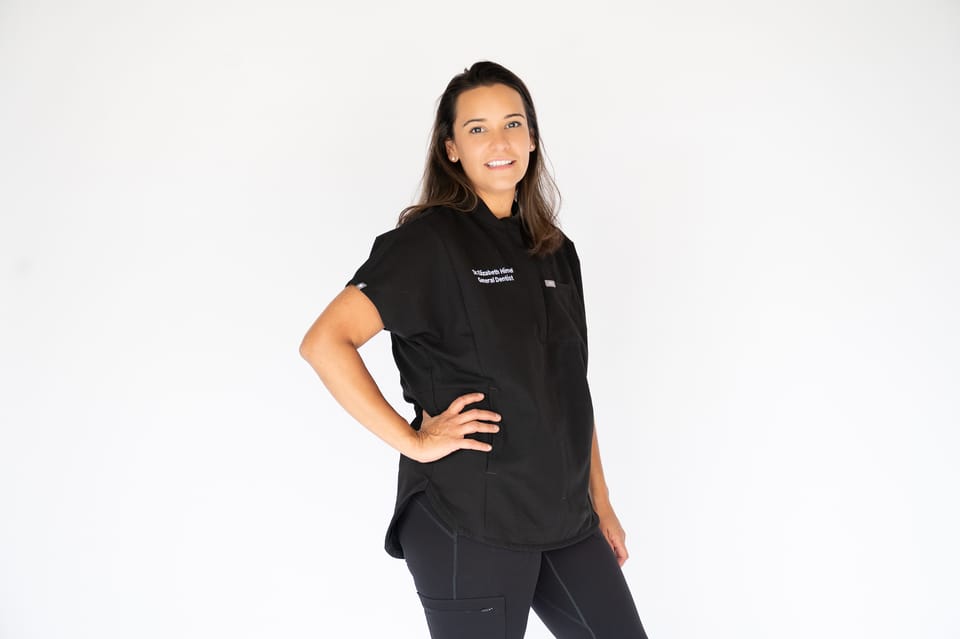

Social media fuels plenty of big trends in oral health care, but it can be tricky for patients to sort through the evidence-based practices and the potentially harmful ones. Elizabeth Himel, DDS, DMD, an owner with Aspen Dental, spoke with Dental Bite about some of the trendy oral health care trends of the day and how dentists can talk to their patients about the facts.
—Interview by Carrie Pallardy, edited by Bianca Prieto
What do you see as some of the misunderstood oral health care trends among patients?
A lot of information is on social media: good and bad. We have dental professionals who are giving good, accurate information. And we have non-professionals who are giving their life experiences. And those life experiences are, of course, valid, but sometimes that misinformation can do more harm than good.
A lot of the trends that we do see are like oil pulling. Although the anti-inflammatory benefits of oil pulling have been proven, we often see that people are relying solely on that and not getting the care that they truly need, so that we can stop the progression of issues like periodontal disease.
I've had a lot of patients come in and ask, particularly about the oil pulling and about the charcoal toothpaste. To be honest, I bought myself some charcoal toothpaste in dental school before I really, truly did the research on it. I found out I was doing more harm than good. Fortunately, I only used it a handful of times, but even dental professionals were influenced. Social media is designed to influence.
How do you talk to patients about these trends? Do they come to appointments with questions? Do you broach any of these topics?
I do try to educate a lot, but doing a video and talking specifically about the detriments, I could do more of that. More of my conversations and my education are directed towards my patients individually. I try to use my voice on social media to highlight the good of dentistry, but I don't necessarily try to doctor individuals on social media.
With my patients, that's when those conversations are really coming up. Sometimes they like to pull out their phone and show me, and 10 out of 10 times, I've already seen it.
Why do you think it is important for dentists to have these conversations with their patients?
We have the education. We have the expertise. We have the know-how to actually address oral care. The professionals and the doctors need to step in and speak up about why things are good or why things aren't bad or even being in the middle. I have a middle perspective when it comes to oil pulling, for example. I don't think it's necessarily a bad thing, but I don't think that it should be the only thing that someone is doing.
Sometimes people forget that doctors have studied the human body for a very, very long time. We know what we're doing. If we're not doing our job to educate, I think that we're letting our patients be educated by people who may be missing the mark. It's our duty to help them get on the right path.
If you could see one popular trend disappear this year, what would it be?
Charcoal toothpaste is a big one. Essentially, how charcoal toothpaste works is that it scrapes your enamel off. You may see a little bit of the whitening, but you're also taking off that precious enamel that we love so much. Once it's gone, we can't get that back. After that layer of enamel is gone, we have dentin. Eventually, if you scrape off enough enamel, the dentin is yellow. That dentin also has nerve tubules that are going to speak to the nerve of the tooth. So it causes sensitivity.
It's sad to me to see that there's toothpaste out there by a lot of the toothpaste brands that we have all grown up with that are specifically targeted for charcoal toothpaste.
This conversation has been edited for brevity and clarity.
Thanks for reading today's edition! You can reach the newsletter team at newsletter@dentalbite.co. We enjoy hearing from you.
Interested in advertising? Email us at newslettersales@mvfglobal.com
Dental Bite is curated and written by Carrie Pallardy and edited by Bianca Prieto